Local Mediawiki instances to replace cloud neighborhood gossip platforms like Nextdoor. Get people to report their own monthly rent, sourced by scans of their own rental agreements. Require, like Wikipedia, citations from reputable sources such as local newspapers, county courthouses, or city council meetings. Get local busy-bodies to maintain histories of every local building with links to news stories and construction permits and police reports. Create articles like “List of Absentee Landlords” and “List of major donors to [political party]” so people can resolve which private equity company their property management company / landlord is a part of, which city councilers they lobby, with wikilinks to each individual property and public figure in question.
Keep bots and spammers at bay with things like requiring editors to present themselves at a local meetup every year or, if they want anonymity to whistleblow important matters, have them send a written membership request in a physical letter to the webmaster.
Neighborhood surveillance has de facto existed since the first grandma/babushka took up people-watching as a hobby. What I don’t like are techbros thousands of miles away who have no skin in the game gathering and controlling surveillance information in the name of “efficiency”. As Kim Stanley Robinson said in The Ministry for the Future (2020; chapter 40), there are good efficiencies and bad efficiencies. A centrally controlled surveillance system is a bad efficiency since it only benefits a handful of distant shareholders whose primary motivation is profit. A hodgepodge collection of locally maintained and controlled cameras and wikis are a good inefficiency because the people doing the observing know to restrain themselves since their subjects are themselves and their neighbors who they’ll have to see at church, grocery store, or senior center.
Human civilization has always been under surveillance by itself. As information technology has advanced, all that has changed is the scale of data collection and who the collectors are accountable to.


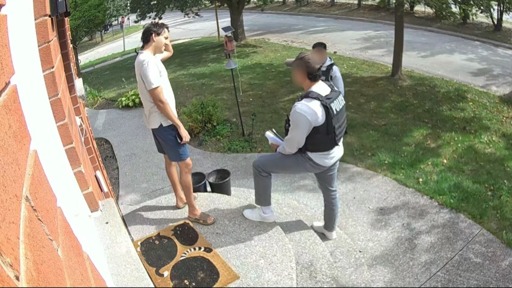
Local Mediawiki instances to replace cloud neighborhood gossip platforms like Nextdoor. Get people to report their own monthly rent, sourced by scans of their own rental agreements. Require, like Wikipedia, citations from reputable sources such as local newspapers, county courthouses, or city council meetings. Get local busy-bodies to maintain histories of every local building with links to news stories and construction permits and police reports. Create articles like “List of Absentee Landlords” and “List of major donors to [political party]” so people can resolve which private equity company their property management company / landlord is a part of, which city councilers they lobby, with wikilinks to each individual property and public figure in question.
Keep bots and spammers at bay with things like requiring editors to present themselves at a local meetup every year or, if they want anonymity to whistleblow important matters, have them send a written membership request in a physical letter to the webmaster.
Neighborhood surveillance has de facto existed since the first grandma/babushka took up people-watching as a hobby. What I don’t like are techbros thousands of miles away who have no skin in the game gathering and controlling surveillance information in the name of “efficiency”. As Kim Stanley Robinson said in The Ministry for the Future (2020; chapter 40), there are good efficiencies and bad efficiencies. A centrally controlled surveillance system is a bad efficiency since it only benefits a handful of distant shareholders whose primary motivation is profit. A hodgepodge collection of locally maintained and controlled cameras and wikis are a good inefficiency because the people doing the observing know to restrain themselves since their subjects are themselves and their neighbors who they’ll have to see at church, grocery store, or senior center.
Human civilization has always been under surveillance by itself. As information technology has advanced, all that has changed is the scale of data collection and who the collectors are accountable to.