I bought these possibly Kenko cfe auto extension tubes (26 + 12 + 11 [mm]) with Canon FD mounts. I’m using them on a really sweet Canon FD 135/f2.5. Normally, I simply input those values into the digital camera’s “manual lens info” slot in order for the in body image stabilization to work better, but I’m not sure what to input here. Should I simply add the above tube lengths to the total focal length (135 + 49)? And what about the visually obvious loss in light/aperture. What would the new value be there?
Bredit (brag edit):

There are just extension tubes, right? None of them are a teleconverter, i.e. there are no optics inside?
If that is the case, they do nothing except add to your existing lens’ focal length. That’s it. Light loss incurred is only due to the increase in focal length because your aperture obviously still has the same maximum diameter.
The only Fun aspect of this that I am aware of is that the ƒ number markings on your lens will now be wrong, because they were calculated by the manufacturer using the lens’ original focal length.
For those of us whose minds are regularly blown by this math, including mine, ƒ-stop numbers are literally the fraction of your lens’ focal length divided by the iris diameter. The markings do not tell you the actual iris diameter, which to be fair would not be actually functionally useful information when you’re standing there trying to take a picture in the field, but it’s a number you then need to back figure when you start doing stuff like this. The entire point of this kerfuffle is that any given setting, say ƒ/1.7, should allow the same amount of light to hit your sensor/film regardless of what the focal length of the lens you have attached actually is. But that’s only true until you start mucking around with changing the focal length with extension tubes and the like. Digression concludes.
You can calculate this by first determining the magnification factor of the tubes you’ve installed, which is the extension length divided by your original focal length. Let’s call that m.
You can then calculate the effective aperture by:
ƒ x (1 + m)
Determining the actual light loss requires logarithms. You probably want to make sure your calculator has enough buttons for this one:
2 x log2(1 + m)
…Or you can just compare the new effective ƒ number versus the old one. Or use your camera’s light meter if it has one. Or just declare the heck with it, and use any of the available calculators for this sort of thing.
Or wing it. Winging it is what I usually do.
No optics, just extensions.
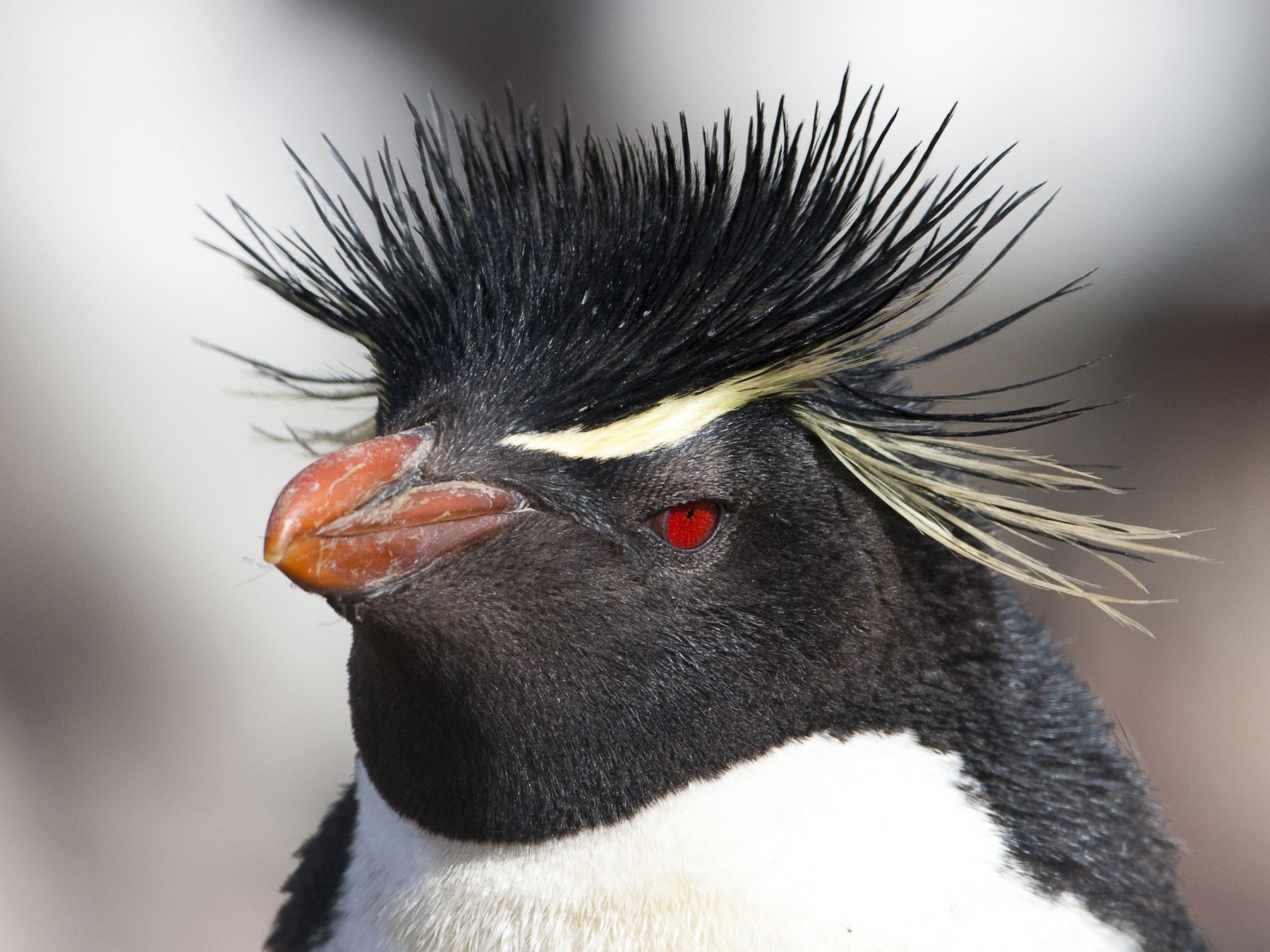
You’re a living library of optics and photography. 🤣 I did actually wing it today, just using the same values regardless of having put on the tubes. The image was a bit more shaky handheld, but it did alright. The magnification wreaked havoc on the depth of field though. We were talking millimeters even at the smallest physical aperture. The leaf above was shot at f11. 😱
Anyway, thanks!
Yes, depth of field is directly correlated to focal length but also distance to the objective. The closer the front of your lens is to the subject the less depth of field you’ll get. I don’t know the math for that offhand. The relationship is geometric somehow, I’m sure. What I do know is that using e.g. my 100mm macro lens and with the subject only a couple of inches away, my effective depth of field is only a couple of millimeters. Focus stacking is your friend if both you and your subject are the sort that can hold still.