

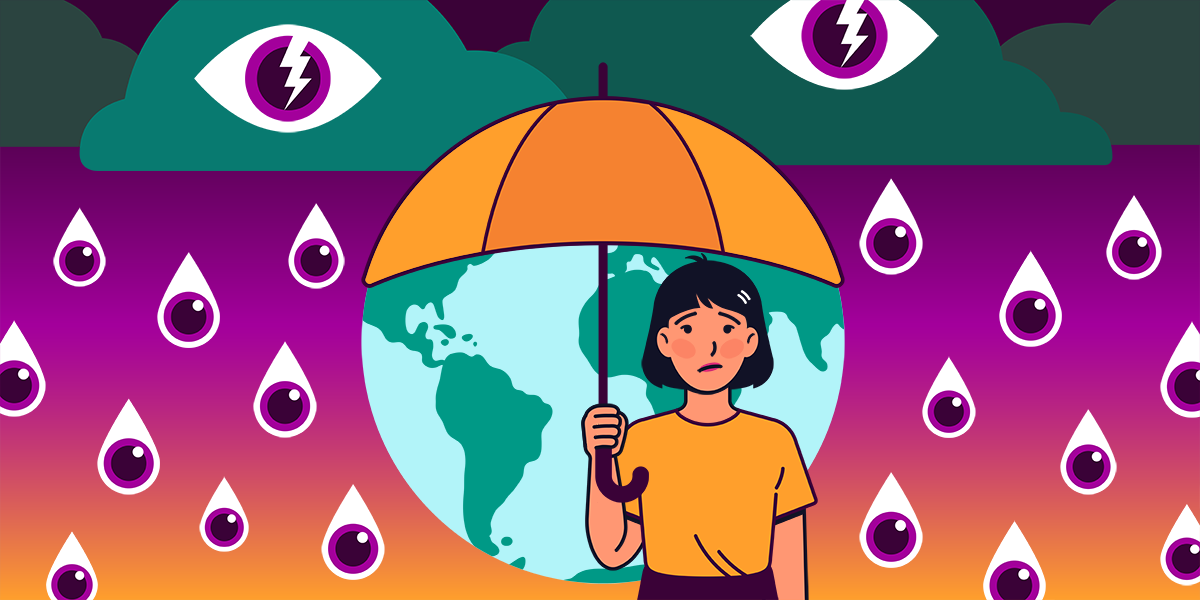
Age verification proposals are often presented as a simple tradeoff: sacrifice a little privacy to better safeguard children online. But that framing overlooks a more fundamental question. What happens to people who cannot verify their age at all? This is particularly a problem when users are required to prove their age with identity documents.
I’m payin $25/mo to join an online community by a YouTuber I follow and everyone is using their real names and real photos (or simulacra thereof). It’s pretty crazy.
But I think what will happen is communities will be based on trust, and that trust will eventually be enforced by siloed environments.
Like, right now, I’m guessing that the site’s software is probably hoovering up information and it’s all centralized somewhere… but maybe in the future, if small communities become the norm, providing real privacy will be a thing.
I think small communities should be the norm.
Social media that makes it so that you’re always anonymous and always speaking to strangers creates a lot of problems (Internet Fuckwad Theory)
Recognizing other users and knowing that your behaviour will result in a negative reputation goes a long way towards creating higher quality discussions. Moderation isn’t as needed and it’s harder for outside actors to manufacture a consensus by spamming bot accounts.
I think that’d go a long way towards resolving a lot of problems created by social media.
Basically describing what happened with Lemmy. What started out as Reddit Minus Shitbag Mods became a screaming match between .world and .ml, while everyone on .hexbear retreated into exile.
You still won’t have any real trust, because the accusations of “bot” and “shill” will follow anyone who violates a taboo. But you’ll at least have a few people you recognize, who you can have well-defined opinions on.